


Philadelphia is in the thick of budget season, and Germantown neighbors are learning how the city’s budget process works.
At an April 29 “Budget 101: Germantown” workshop at Crossroads Women’s Center, residents learned how the city budget process works, how general and capital funds differ, and where neighbors can share input before approval.
The workshop was hosted by the People’s Budget Office (PBO) and Germantown Info Hub. The People’s Budget Office is a public art and civic engagement initiative of Mural Arts Philadelphia. Through participatory art and community workshops across the city, PBO helps residents learn about the city budget and how it works.
Budget season runs from March through June. City Council must pass the Fiscal Year budget by June 30, ahead of the fiscal year that begins July 1.
“A lot of the work that we’re trying to do with the Budget 101’s is to make people see that the budget is relevant to their lives, and then to understand how it works so that they can better advocate for the things that they do want to see in their neighborhoods,” said Phoebe Bachman, PBO founder and facilitating artist.
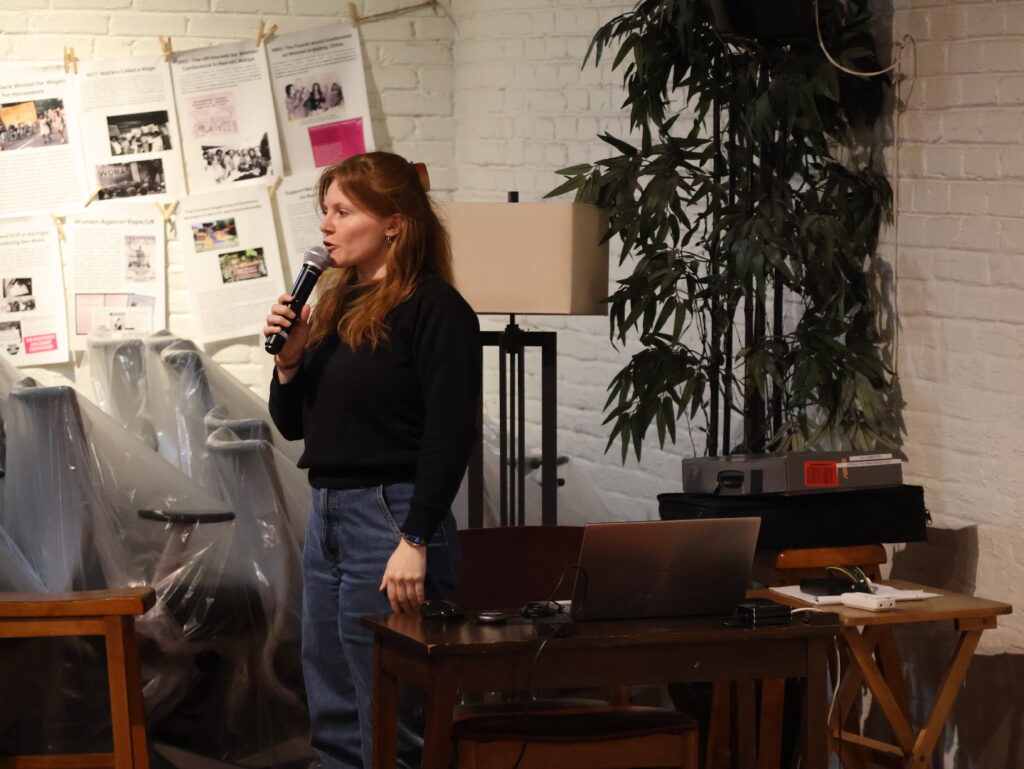
Bachman said Budget 101 workshops help neighbors across the city see how the budget affects their lives.
Potholes, libraries and recreation centers may come to mind for many people. Still, Bachman said, some residents do not realize how much the city’s budget decisions affect their everyday lives.
The workshop broke down the proposed Fiscal Year 2027 (FY27) General Fund operating budget, a $6.97 billion spending plan. It also looked at the city’s broader all-funds operating appropriations, which total about $14.15 billion.
Neighbors also learned what goes into the General Fund and what goes into the Capital Fund.
The General Fund pays for many day-to-day services. The Capital Fund, by contrast, funds longer-term investments in things like city buildings, facilities, technology, vehicles, streets, and transit infrastructure.
Visual charts helped illustrate which departments and city services are slated to receive the largest budget allocations in 2027, including the police department, pensions, and employee benefits.
When asked what they thought might make the budget process better or more community-engaged, folks at the Germantown workshop started with zero-based budgeting, where budgets account for every dollar every year rather than adjusting from last year’s budget lines.
They also cited town halls that would start in the fall, allowing community members more time to influence budget decision-making. These would also include more educational opportunities to learn about the budget throughout the year.
“I think, like everybody was thinking here, maybe a little bit more transparent on where everything is going and maybe more [opportunities],” said Germantown resident and workshop attendee Micheline Mobley-Altice.
Though PBO’s usual focus has been getting people out during budget season and sharing public testimony, this year, they’ve realized that starting earlier may be more influential.
“We need to be doing budget work in the fall, when these documents are coming together, so that it can really be integrated into what is being proposed in the first place,” said Bachman.
Mobley-Altice was also one of multiple attendees surprised to see how much of the budget went to the police department for public safety.
Celeste Preston, another attendee, was also surprised — and gave thoughts on where she believes the money is best spent.
“I would actually suggest less money going to the police because I am probably one of several people that don’t see a safer Philadelphia. And I also noticed that the Office of Sustainability had the least amount of funding. And I feel like that is a more pressing issue that we have in the city of Philadelphia that needs more money, and we need more folks that are involved in helping us become more sustainable,” said Preston.
The Office of Sustainability works with citywide partners around issues like climate change, environmental justice, and plans for a hotter and wetter city in the near future.
Bachman and co-facilitator Lisa Jo Epstein, a Germantown neighbor and community organizer, said the city’s budget is a moral document because it reflects the city’s priorities and values.
By the end of the workshop, Mobley-Altice said Philadelphia needed to do better, pointing to education and literacy as areas that deserve more funding.
For people interested in learning more, there are additional opportunities. PBO has an office at Love Park in Center City until June 5, 2026, where residents can get their city budget questions answered.
As budget season moves toward the City Council’s June 30 deadline, organizers and residents agreed the bigger challenge is making sure Philadelphians are part of the process before spending priorities are set.
For more on Fiscal Year 2027’s budget, visit the City Council’s budget center.

Maleka Fruean is Germantown Info Hub’s community organizer, a writer, and mother of four, all raised in the Germantown neighborhood of Philadelphia. She has a B.A. in journalism from Temple University and an M.F.A. in creative writing from St. Joseph’s University, and uses both to embrace the power of stories.